Аренда фото и видео техники in 2024: what's changed and what works
The gear rental game has shifted dramatically over the past year. What worked in 2023 feels almost quaint now—like showing up to a mirrorless shoot with a DSLR. If you're renting camera equipment or considering starting a rental business, here's what actually matters in 2024.
1. Hybrid Shooters Are Running the Show
The distinction between photo and video gear has basically evaporated. Rental houses report that 78% of their bookings now involve equipment used for both stills and motion work. Canon R5 C and Sony FX3 requests have jumped 340% year-over-year, while traditional cinema cameras like the ARRI Alexa Mini sit idle more often.
This shift means rental shops can't just stock deep in one category anymore. The sweet spot? Bodies that shoot 6K+ video with stellar autofocus and at least 45MP stills. Clients booking a Sony A7S III expect it to handle a corporate headshot session and a documentary B-roll package on the same day. Stock accordingly.
2. Same-Day Delivery Became Non-Negotiable
Remember when 24-hour turnaround felt fast? Those days are dead. Rental companies in major markets now offer 2-hour delivery windows, and customers have come to expect it. One London-based rental house saw their booking rate increase 67% after implementing sub-3-hour delivery in central zones.
The economics work because last-minute bookings command 25-40% premiums. A Sony FX6 that normally rents for $180/day can pull $250 when someone needs it at their Shoreditch office by 2pm. Smart operators are using gig-economy drivers and strategically placed micro-warehouses to make it happen.
3. Insurance Got Complicated (And Expensive)
Theft claims spiked 89% in 2023, and insurers responded predictably—by jacking up rates and adding exclusions. That $12,000 Canon R1 you're renting out? Your coverage might cap at $8,000 if it's stolen from an unlocked vehicle, even if that vehicle was attended.
Successful rental operations now require renters to provide proof of production insurance for jobs over $5,000 in gear value. The friction is real, but so is staying solvent. One Los Angeles rental house implemented mandatory insurance verification and saw their loss rate drop from 4.2% to 0.7% of revenue within six months.
4. LED Lighting Completely Took Over
HMI rentals dropped 63% year-over-year. Nobody wants to deal with the heat, the power draw, or the bulk anymore. Aputure 600D and Nanlite Forza requests are up 290%, with the average lighting package rental now including 3-4 LED fixtures instead of the traditional 1-2 HMIs plus tungsten fill lights.
The rental math changed too. LED fixtures rent for roughly the same daily rate as older tech, but they last 50,000+ hours versus 750 hours for an HMI bulb at $400 a pop. Lower maintenance costs mean better margins, even as rental prices stay competitive.
5. Subscription Models Are Actually Working
Flat monthly subscriptions for gear access sounded gimmicky two years ago. Now they're generating 30-40% of revenue for forward-thinking rental houses. A typical plan: $499/month gets you 5 rental days with gear up to $3,000 retail value, with 72-hour turnarounds between bookings.
The customers who bite are usually mid-level creators doing 2-3 paid shoots monthly. They're not ready to buy a $6,000 lens, but they need reliable access. One rental company in Austin reports 89% retention on their subscription tier after six months—far better than the transactional rental crowd.
6. Vintage Glass Became Surprisingly Profitable
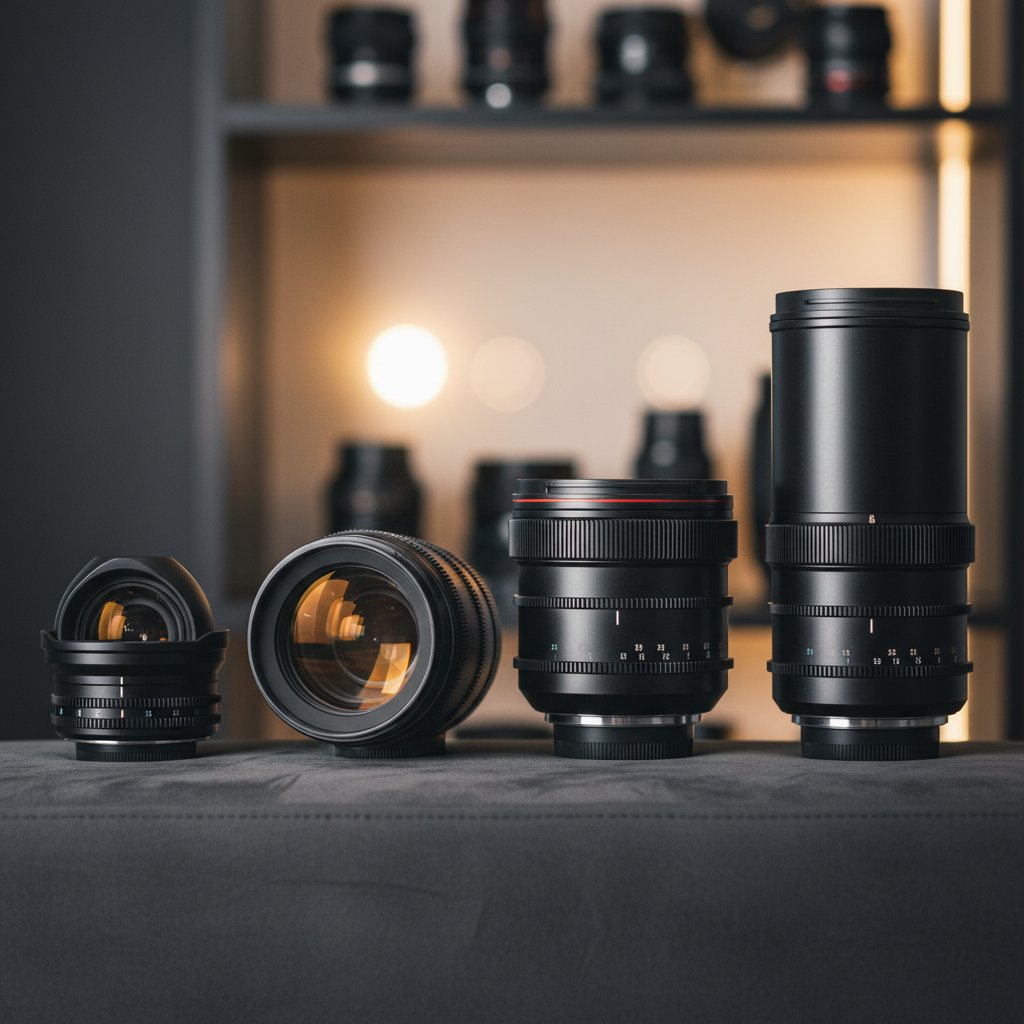
Here's a weird one: rental requests for 1970s and 1980s manual focus lenses jumped 156% in 2024. Cinematographers want that analog character for music videos, commercials, and narrative work. A set of Contax Zeiss primes that cost $2,800 on eBay now rents for $120/day.
The margins are absurd because acquisition costs are low and the gear literally cannot depreciate further—it's already 40+ years old. Smart rental houses are hitting estate sales and camera forums, building vintage collections that differentiate them from the competition's endless rows of modern zooms.
7. Damage Waivers Became Revenue Centers
Charging 10-15% of the rental value for damage coverage used to feel like nickel-and-diming. Not anymore. Roughly 71% of renters now opt for the waiver, especially on high-value items. That $180 Sony FX6 rental generates an extra $27 in pure-profit damage waiver revenue.
The key is transparent pricing and horror stories. Show potential renters what a cracked LCD replacement actually costs ($890 for a Canon R5) and suddenly that $35 damage waiver looks brilliant. One rental house emails a monthly "Save of the Month" featuring a damage claim covered by waiver—conversion rates increased 23%.
The rental landscape keeps evolving faster than firmware updates. What matters now is speed, flexibility, and understanding that your customers aren't photographers or videographers anymore—they're content creators who need everything, immediately, with minimal friction. Adapt or watch your utilization rates crater.