Аренда фото и видео техники: common mistakes that cost you money
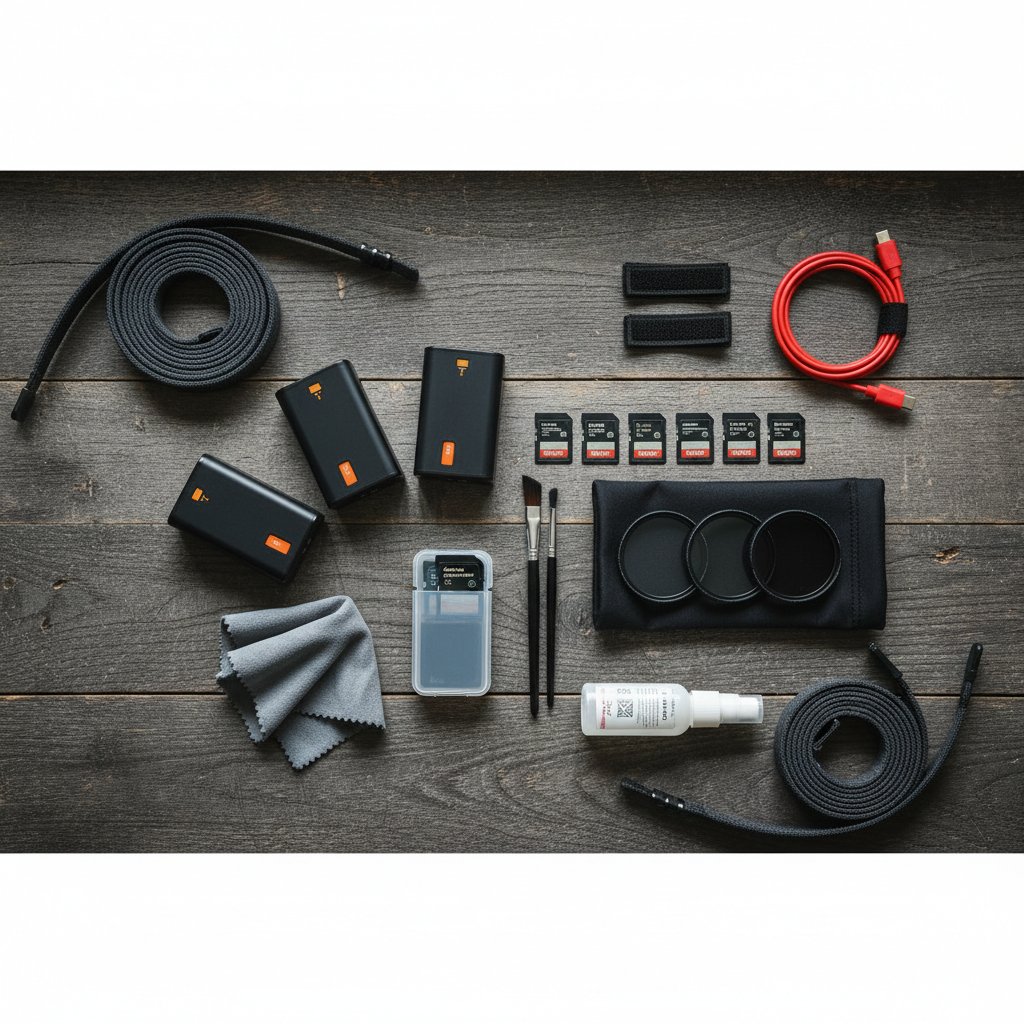
The Expensive Way vs. The Smart Way: How Rental Mistakes Drain Your Budget
Last month, I watched a photographer friend shell out an extra $340 on a three-day camera rental. His mistake? Not reading the fine print about return times. That painful lesson got me thinking about how many people burn cash unnecessarily when renting photo and video gear.
Here's the thing: equipment rental should save you money, not create surprise expenses that make you wish you'd just bought the damn camera. But the difference between a smart rental and a money pit often comes down to how you approach the process.
Let me break down two paths people take—and why one consistently costs 30-50% more than the other.
The Rushed "I Need It Now" Approach
How Most People Rent (And Why It's Expensive)
Picture this: You've got a shoot in 48 hours. Panic sets in. You find the first rental house with availability, click "book," and move on. Sound familiar?
The Hidden Costs Nobody Talks About
- Last-minute premiums: Booking within 72 hours typically adds 15-25% to your base rate. Some places won't even negotiate day rates if you're desperate.
- Wrong gear selection: Without research time, you might rent a $200/day cinema camera when a $75/day mirrorless would nail the job perfectly.
- Missing the insurance sweet spot: Default insurance packages run $35-50 per day. That's $150 for a weekend—often covering a $500 deductible anyway.
- Late return fees: Return by 10 AM or get charged a full extra day? That's $150-300 gone because traffic was bad.
- Forgotten accessories: Realizing on-site you need a specific cable or battery means either losing shots or paying 2x retail for emergency purchases.
Real Numbers From Real Disasters
A videographer colleague once rented a RED Komodo package for $450/day (3-day minimum). Turns out he needed it for just six hours of actual shooting. The rest was travel and setup time. His total: $1,350 plus $120 in insurance. A smarter play would've been a local hourly rental at $125 for four hours.
The Strategic Planning Method
How Experienced Renters Save Serious Cash
Smart renters treat equipment rental like a chess game, not a sprint. They're booking 7-14 days ahead, comparing at least three vendors, and reading every line of the rental agreement.
Money-Saving Tactics That Actually Work
- Weekly rate hacks: Most places offer 4-day pricing for weekly rentals. That's 3 extra days free—perfect for testing gear before your actual shoot.
- Package negotiations: Renting body + lenses + accessories as a bundle typically saves 20-30% versus itemized rentals.
- Credit card insurance: Many premium cards cover rental equipment damage up to $10,000. That's the $50/day insurance fee eliminated entirely.
- Off-peak timing: Mid-week rentals (Tuesday pickup, Thursday return) can cost 40% less than weekend rates in competitive markets.
- Relationship building: Becoming a regular at one shop unlocks priority booking, flexible return times, and occasional freebies thrown in.
The Math Actually Makes Sense
Same RED Komodo scenario, planned approach: Book 10 days out during mid-week. Negotiate a half-day rate ($250). Use credit card insurance (free). Return on time ($0 late fees). Total cost: $250. That's an $1,100 difference for the exact same camera and shoot.
Head-to-Head Breakdown
| Factor | Rushed Approach | Strategic Planning |
|---|---|---|
| Booking Window | 0-48 hours before | 7-14 days advance |
| Price Research | First available option | Compare 3-5 vendors |
| Average Premium Paid | +30-50% extra | Base rate or discounted |
| Insurance Costs | $35-50/day automatic | $0 with card coverage |
| Late Fee Risk | High (tight timelines) | Low (buffer time built in) |
| Gear Appropriateness | Often over-specced | Matched to actual needs |
| Negotiation Leverage | Zero | Moderate to high |
What This Really Means For Your Wallet
Look, emergencies happen. Sometimes you genuinely need gear tomorrow and you'll pay the premium. That's business.
But here's what kills me: watching people operate in permanent emergency mode because they never learned another way. They're paying 40% more on every single rental, year after year. That's not a premium—that's a tax on poor planning.
The photographers and videographers making actual money in this industry? They've got a spreadsheet of rental houses, preferred contacts, and typical rates. They're booking equipment the same day they confirm client jobs. They're reading rental agreements during lunch, not in the parking lot.
Start treating rentals like the business expense they are. Track what you spend over six months using both approaches. I guarantee you'll find at least $500-1,000 in completely avoidable costs just sitting there, waiting for you to grab them back.
Your camera bag doesn't care whether you planned ahead or panicked. But your bank account definitely does.